Setsubun in Kyoto—Holly, Sardines, and Ehomaki
Posted date:2026-01-29Author:Tsubakuro
Transrator:Ponta
Category:Talk about Kyoto
広告
adsense4
To begin with
“I heard that the Ehomaki that we eat whole on Setubun originated in Kyoto?”
We hear this story often, but it’s actually just baseless nonsense.
The most popular theory is that the birthplace of ehomaki is Senba, Osaka during the Meiji period.
In contrast, sardines are an inseparable food from Setubun in Kyoto.
Sardine heads and holly branches used as talismans to ward off evil
Interestingly, in supermarkets in Kyoto, as Setubun approaches, every store rushes to sell sardines in the fresh fish section.
Sardines are usually unpopular and ignored, but on Setubun, they are special.
I am no exception, and has been eating sardines on Setubun since I was a child.
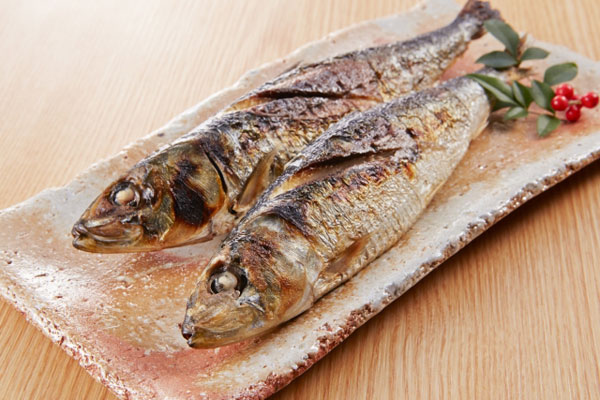
Grilled Sardines
However, what actually happens after eating is more important than eating it.
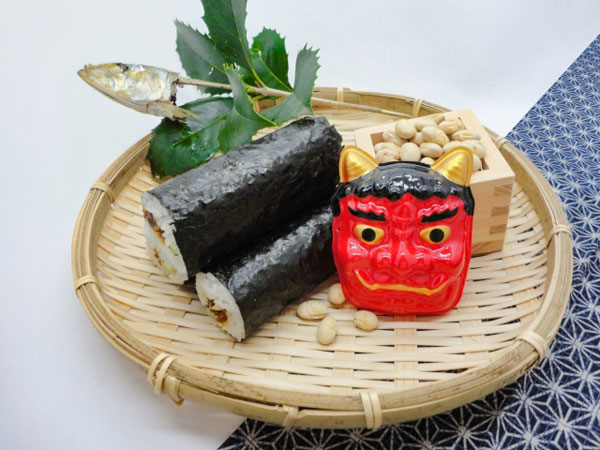
The sardine’s head and bones are impaled on a holly branch and displayed at the entrance of the house.
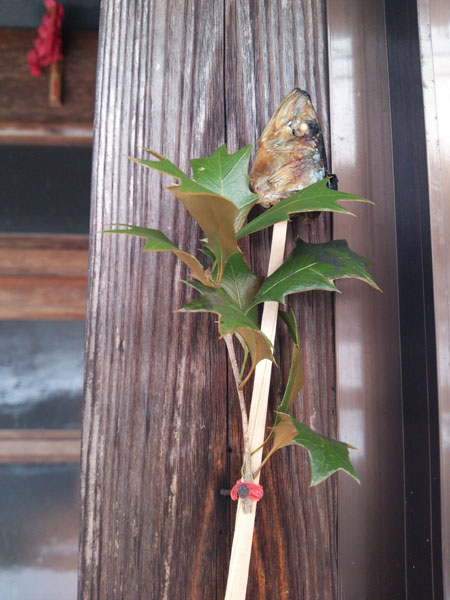
A sardine’s head and bones are stuck into a holly tree and displayed at the entrance of a home as a talisman to ward off evil.
The sharp thorns of the holly tree are said to scare away demons, and they have long been planted in the northeast corner (the “kimon” or demon gate) of Kyoto’s gardens.
Legend has it that if you stick the head of a grilled sardine, which gives off a strong smell, into a holly branch, which demons dislike, and display it at your front door, you are not afraid of demons because demons will never come near.
Before throwing the beans, people first eat grilled sardines, then impale the heads and bones on holly branches and display them at the entrance of the house.
This is Setubun in Kyoto.
“Ehomaki? What? Apparently, that’s kind of popular these days.”
Any native Kyoto people would probably not even scratch their nose.
Ehomaki. — Who on earth made it popular?
When I was a child, there was no trace of the custom of eating sushi rolls on Setubun.
However, before we knew it, people started saying things like “This year’s lucky direction is XXXX” or “Just eat the whole sushi roll in silence,” and before we knew it, the custom of “You should eat ehomaki on Setubun” had become established.
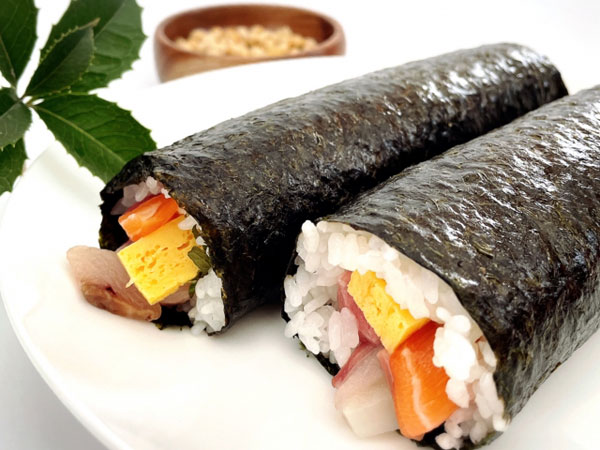
Ehomaki
In writing this article, I researched the history and origins of ehomaki, but although there are various theories, I could not find any document that could be said to be the most definitive.
There are various theories, including one that it originated when warlords ate it before battles during the Sengoku period, and another that it was eaten by businessmen from Senba in Osaka during the Meiji period while having fun with geisha in the entertainment district.
However,the history of Ehomaki, which has been properly documented, is surprisingly recent.
And in fact, it is since around this time that the image of Ehomaki as we know it today was created.
It all started in the 1930s when a sushi restaurant association in Osaka distributed flyers explaining the origins and roots of Ehomaki (lucky direction of sushi rolls), followed in the 1970s when a nori (seaweed) and thick omelet association, also in Osaka, distributed flyers.
It could be said that the “traditional saying” written on those flyers gradually spread as the image of Ehomaki (lucky direction sushi roll).
What further solidified that image was the convenience store chain “Seven-Eleven.”
The real boom in futomaki sushi began in 1989 when a Seven-Eleven store in Hiroshima started selling futomaki sushi under the name “Ehomaki” for Setubun (the day before the beginning of spring).
This led to the name “Ehomaki” becoming widely known, and in 1998, convenience store chains began selling “Ehomaki” nationwide.
Since then, supermarkets and department stores have also entered the “Ehomaki” market, and this trend continues to this day.
The conclusion:
As briefly explained above, the appearance of Ehomaki is very recent, and its historical origins and history are not clear.
What is clear is that the image of Ehomaki as we know today was created by the combined efforts of Osaka’s commercial associations in the past, and more recently by major convenience store chains launching large-scale advertising campaigns.
The custom of “eating Ehomaki on Setubun” is a relatively new one, not a traditional Kyoto event at all.
Moreover, the vulgar way of eating it – eating it whole – is quite distasteful.
— In every respect, it’s completely incompatible with Kyoto.
However, even in convenience stores, supermarkets, and department stores in Kyoto, Ehomaki (lucky direction sushi rolls) are still sold on Setubun.
The reason why Kyoto residents eat Ehomaki.
Let me tell you quietly.
— Because they can cut corners on cooking that day without feeling any pangs of conscience.

Author

Tsubakuro
I was born and raised in Kyoto and am a native Kyotoite.
When I was young, I longed to visit Tokyo and Osaka, which are more bustling than Kyoto, but as I have gotten older, I have come to appreciate Kyoto a little more.
In this site, I will introduce you to some of the best places to explore Kyoto's food that you might otherwise miss at first glance.