The word “obanzai” makes me want to speak up— The grumbling of a Kyoto native, this and that.
Posted date:2026-01-20Author:Tsubakuro
Transrator:Ponta
Category:Kyoto Gourmet , Talk about Kyoto
広告
adsense4
To begin with
The other day, I happened to turn on the TV and saw a certain celebrity walking down Shijo Street. When asked, “What do you most want to eat when you come to Kyoto, XX-san?” the person answered, “Obanzai, of course!”
Then, the person was taken to this so-called specialty shop for “obanzai” in Ponto town. Seeing all the different kinds of “obanzai” lined up in a row, the person let out a shrill cry of delight.
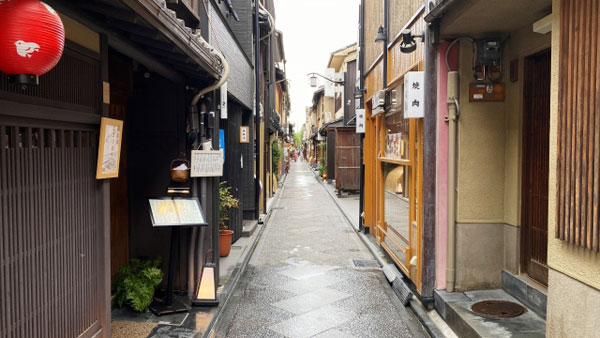
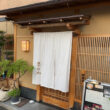
The atmosphere of Ponto town
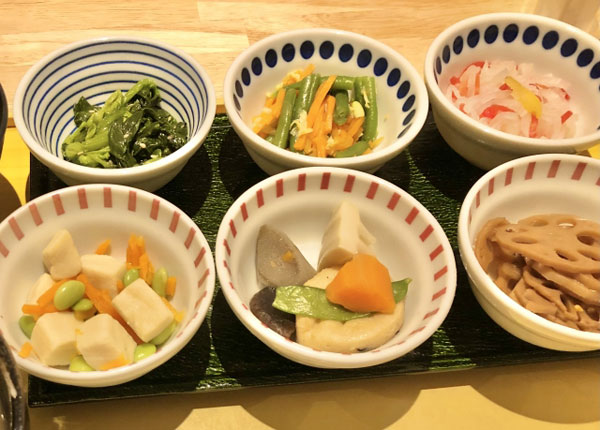
So-called “obanzai”
When forced to watch such an obviously staged scene, Kyoto natives like me just roll their eyes and think it’s ridiculous.
The term “obanzai” that’s been all the rage lately, is never used by people who actually live in Kyoto.
In Kyoto, we call them “okazu.”
When asked “What is obanzai?”, people who seem like they know Kyoto but actually don’t know much give plausible-sounding answers like:
“Obanzai refers to traditional Kyoto home cooking. It’s everyday side dishes made with seasonal ingredients, using readily available materials without much fuss to use everything up. It’s Kyoto’s everyday home cooking based on the principle of making the most of what you have.”
You see that kind of definition quite often, don’t you?
And then, they introduced a parade of various dishes served on small plates, like at those obanzai specialty shops around Ponto town.
Every time I see or hear that stuff, it makes me cringe as a Kyoto native.
First of all, in Kyoto, not a single one out of a hundred people would ever say “obanzai.”
What some researcher claims defines “obanzai” – those everyday side dishes made from “traditional, readily available ingredients” and such – Kyoto locals simply call “okazu.”
“Mom, what’s for dinner tonight? Or,
“The side dishes I make at home are~”.
In Kyoto, it’s common to call everyday home-cooked meals “okazu”.
Whether born in the Taisho era, Showa era, Heisei era, or even Reiwa era, everyone in Kyoto calls it “okazu” regardless of the times.
Frankly, the word “obanzai” doesn’t really have much traction among the locals in Kyoto, does it? Besides, they don’t call it “obanzai” when they neatly arrange various kinds of dishes on small plates, do they?
Actually, it was a reverse import! The word “obanzai.”
Who on earth first started using the word “obanzai,” which people in Kyoto hardly ever use? I looked it up and found out it seems to have started when a culinary researcher and essayist named Shige Omura began a serialized column titled “Obanzai” in the Asahi Shimbun newspaper back in 1961.
And apparently, Shige Omura himself picked up this phrase from a cookbook called “Year-Round Recipes,” written in Osaka at the end of Edo period, in 1849.
The contents include books introducing how to make everyday simmered dishes and soups using ingredients like daikon radish.
One thing to keep in mind here is the kanji for “bansai”.
Also, this book was written in Osaka, not Kyoto.
Osaka was called the “Kitchen of the Nation” during the Edo period, right?
Trade flourished, and there were so many big stores.
Naturally, big stores had a lot of servants.
The cost of feeding the servants three times a day is no small matter.
So, the shop owner had to figure out how to manage the food expenses, and he set strict rules for the servants’ daily meals.
For example, “year-round, morning and evening tea rice, lunch with soup and one side dish.” — In other words, this means “all year long, morning and evening are tea rice and pickles, with soup and one side dish only at lunch.” But I suppose they were mindful of the servants’ nutrition, because on the 10th, 20th, and last day of each month, they’d serve grilled fish.
Then, on the 16th, cubed tofu pieces were added to the soup.
Like this, many shops had made it a habit to serve specific dishes on specific days every month.
What I want to say is that since these are side dishes that rotate monthly, they’re called “bansai.”
— I bet there were big shops in Osaka that named their shops “obanzai” from that point of view.
Leaving aside its historical origins, the person who arbitrarily labeled Kyoto’s commoners’ side dishes as “obanzai” seems to be a man named Shige Omura, as I mentioned earlier.
This Mr. Omura keeps introducing the everyday food Kyoto people eat as “obanzai” on TV and in newspapers, so outsiders end up thinking, “Oh, so in Kyoto they call everyday food ‘obanzai’?”
Only people from Kyoto don’t think that way.
The term “bansai”- once used to refer to Osaka – has spread to other regions through the media over the past thirty-odd years. Now it’s being reimported back into Kyoto itself via outsiders…
— Well, that’s about right, I guess.
— It’s a bit of a nuisance, though.
What exactly do they call “okazu” in Kyoto?
When I saw the first celebrity whom I introduced gasp in delight at the dishes from Ponto town’s obanzai specialty restaurant, even this Kyoto-born columnist was stunned – but for a different reason.
Why? Because most of those so-called “obanzai” dishes looked pretty much like this.
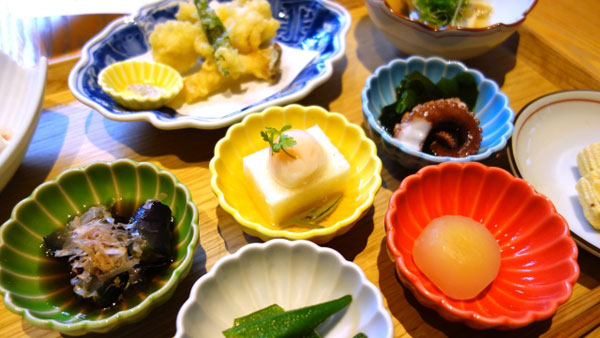
Obanzai from an “obanzai” specialty restaurant
You can probably tell at once, but there’s a crazy number of dishes here, right?
They tout things like the spirit of frugality, not going to the trouble, or even everyday home cooking, but in reality, it’s not nothing like that at all.
I reckon it’s because of the recent Kyoto tourism boom, but it seems like “obanzai” specialty restaurants are popping up all over town.
But you know, I don’t think Kyoto locals would ever set foot in a place like that.
Why? Because this stuff just isn’t real Kyoto home cooking.
The reasons are:
1: There are far too many dishes. They’ve piled on this and that. Where’s the frugality in this?
2: Kamo eggplant is a luxury ingredient, even when in season. It rarely makes its way to the common folk’s table.
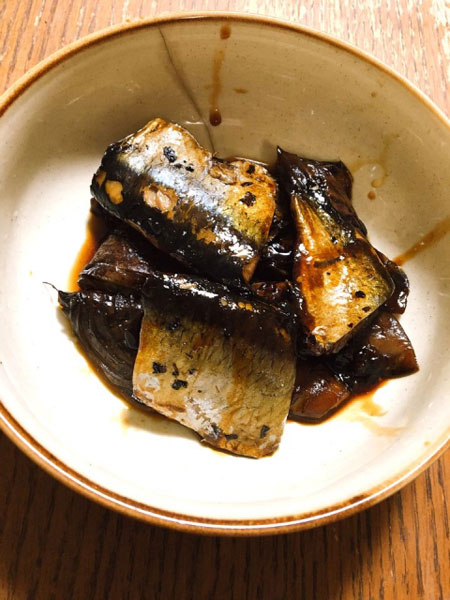
Herring and eggplant
3: In the Edo and Meiji periods, dried foods like yuba, fu, and dried fish were called “timeless” because their prices stayed steady year-round, making them economical staples for commoners’ meals. But these days, you can’t just casually buy them anymore. Yuba and fu are ridiculously expensive now.
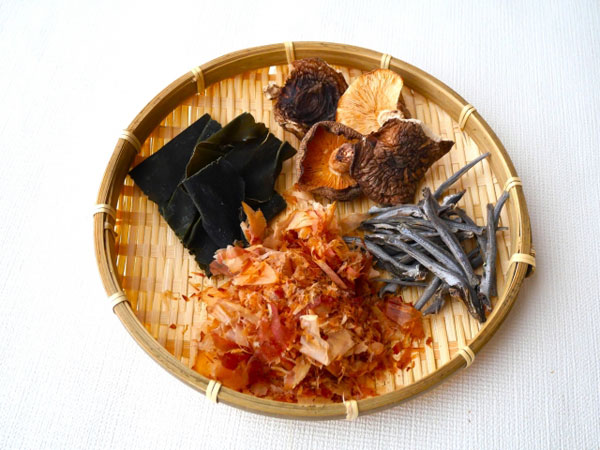
“Timeless” (Dried Goods)
When it comes to side dishes that stingy Kyoto folks have always loved, then and now…
Well,I guess it’s things like dried daikon radish and fried tofu, simmered hijiki seaweed, or simmered seasonal komatuna greens with fried tofu. Then there’s simmered seasonal daikon radish with fried tofu and simmered turnips.
That’s about the extent of it, I suppose.
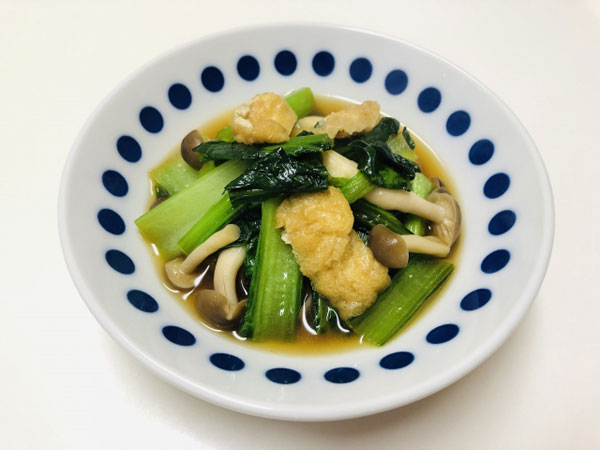
Komatuna and Fried Tofu Simmered Dish
Ah, needless to say, we only make one dish at a time.
This might be overkill, but once when I was making spinach with white sesame dressing, an acquaintance who saw it was really shocked.
She said, “Wow, you make such elaborate stuff. There are so many ingredients to put inside, and it costs money and takes effort, right? I’ve never made a side dish like that.”
The conclusion
I’ll say it again: these days, whatever gets hyped as “obanzai” is absolutely not side dishes in the eyes of Kyoto locals.
But even if that’s not the case, in our daily lives struggling with high prices, isn’t it the same for everyone – whether common folk or Kyotoites – to try to be as smart and waste-free as possible about the inevitable task of eating?
In short, I don’t think we need to make such a big deal about “obanzai” being Kyoto food.

Author

Tsubakuro
I was born and raised in Kyoto and am a native Kyotoite.
When I was young, I longed to visit Tokyo and Osaka, which are more bustling than Kyoto, but as I have gotten older, I have come to appreciate Kyoto a little more.
In this site, I will introduce you to some of the best places to explore Kyoto's food that you might otherwise miss at first glance.